
Meet the women behind some of the most inspiring gardens in Cornwall
March in Cornwall is never quiet. Magnolia petals drift like confetti, camellias glow against glossy green leaves, and valleys begin to hum with the promise of spring.
Behind this seasonal magic are skilled gardeners, early mornings and careful stewardship. This International Women’s Day, we’re celebrating the women shaping some of the most remarkable gardens in Cornwall, from historic landscapes to dramatic coastal terraces.
For generations, women worked quietly behind the scenes in horticulture, saving seeds, managing estate gardens and preserving plant knowledge without recognition. Today, women are leading major horticultural projects and caring for some of the most celebrated Cornwall gardens.
Here are four of the women helping Cornwall bloom…
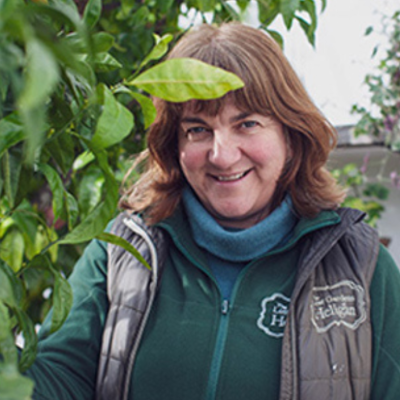
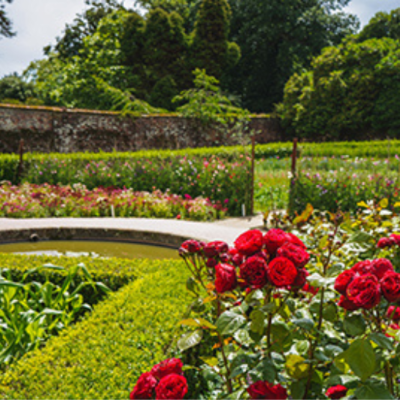
Nicola Bradley: Head Gardener at The Lost Gardens of Heligan
At The Lost Gardens of Heligan, Head Gardener Nicola Bradley cares for one of Britain’s most remarkable garden restoration stories. Heligan’s landscape is rich with history, and managing it requires a balance of conservation, creativity and practical gardening expertise.
Nicola believes horticulture is a welcoming career for women. “There are many inspirational women already working in the field,” she says, “and there is no reason why women can’t achieve the same successes as their male colleagues.”
Her experience in the industry has been overwhelmingly positive. “Most gardeners I have met have been very generous and nurturing people, creating wonderful spaces to work in,” she explains.
For anyone considering a career in gardening, Nicola recommends starting with hands-on experience. Apprenticeships, volunteering and work placements can all help people explore the many paths horticulture offers. “There are so many different areas of horticulture to specialise in,” she says. “If you’re a practical person, gaining hands-on experience is a great start.”
A visit to Heligan reveals how living landscapes evolve over time, and why it remains one of the most fascinating gardens to visit in Cornwall.
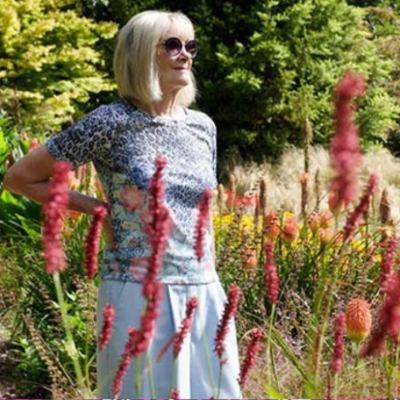
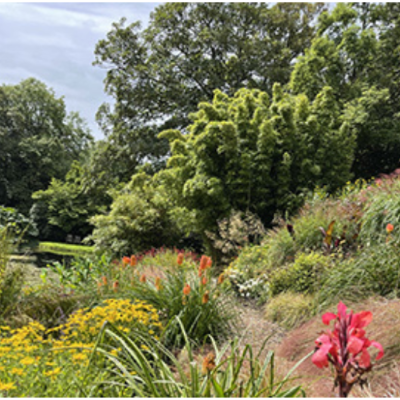
Sue Nathan: Owner of Bonython Estate Garden
At Bonython Estate Garden, owner Sue Nathan approaches gardening as both an art and a responsibility. Caring for a historic garden means thinking beyond the present moment and planning for generations to come.
Seasonal colour is central to the experience. In spring, Sue says, “the valley has magnificent colour, with azaleas, rhododendrons, bluebells and wild garlic all in flower together,” while summer highlights the lakes and vibrant planting in the walled garden.
Some of Bonython’s most distinctive features have grown from Sue’s own ideas. One of her proudest creations is a living chapel formed from yew hedging, complete with pews made from Lonicera Baggesen’s Gold and an oak cross.
Understanding the local climate has shaped the garden’s planting. Sue notes that magnolias, azaleas and ornamental grasses thrive particularly well here, though the Cornish weather brings its own challenges. “Wind and weather are the biggest challenge,” she explains. “We have to choose plants that can cope with both.”
Her advice to gardeners is simple: work with nature. “Don’t plant in ones — plant in threes or fives. Always plant what grows well in your soil and weather conditions.”
Looking ahead, Sue’s wish is that the garden continues to be loved and cared for long into the future.
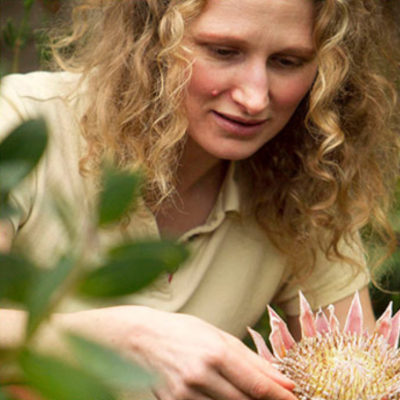
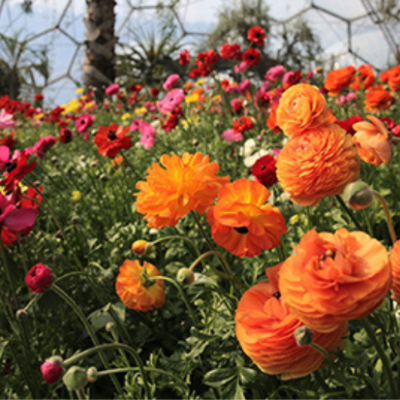
Catherine Cutler: Interim Head of Horticulture at the Eden Project
Few places demonstrate the global importance of plants like the Eden Project, where Interim Head of Horticulture Catherine Cutler oversees collections spanning tropical, Mediterranean and temperate climates.
For Catherine, the role combines creativity, science and environmental storytelling. “I love being involved with so many different aspects of horticulture,” she explains, “from hard landscape construction to exhibit planning and plant selection.”
Visitors exploring Eden can experience plants from around the world in a single day. Catherine recommends starting in the Rainforest Biome, where towering vegetation and warm humidity create a truly immersive experience. “It’s really easy to forget you’re inside,” she says.
Eden also grows plants that many people encounter daily, including coffee, chocolate and sugar crops, alongside rare and endangered species from across the globe.
Maintaining a garden on this scale comes with challenges, from flooding and landslides to managing invasive species in environmentally responsible ways. Catherine’s gardening advice reflects this practical experience: mulch generously, make your own compost and “grow what wants to grow in your location — don’t fight nature.”
Her ambition for the future is to continue developing Eden as a world-leading horticultural destination using regenerative techniques that improve the environment.
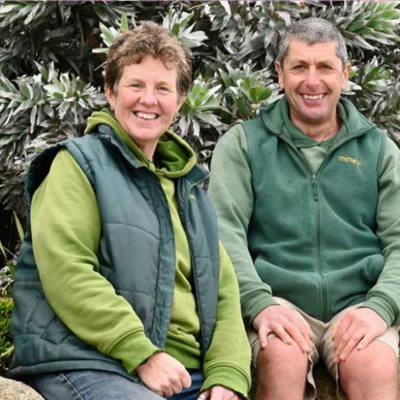
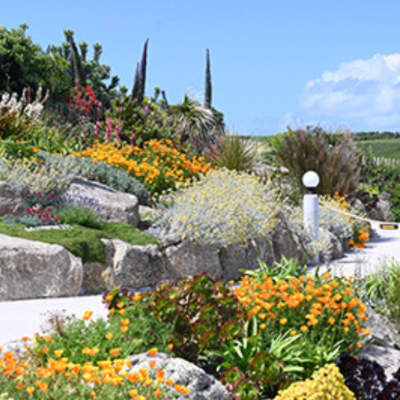
Claire Batten: Co-Head Gardener at the Minack Theatre Garden
Perched high above the Atlantic, the Minack Theatre Garden offers one of the most dramatic gardening environments in the UK. Co-Head Gardener Claire Batten works with colleague Jeff Rowe to cultivate lush planting in a landscape shaped by salt spray, steep terraces and powerful coastal winds.
Space is limited, so every planting decision must deliver impact. “As the smallest of the Great Gardens, it’s essential that our beds have the ‘wow factor’,” Claire explains.
One of the garden’s standout features is its extensive collection of aeoniums — succulents that thrive in the Minack’s bright, well-drained conditions. Despite originating from the Canary Islands, these plants cope surprisingly well with the Cornish coast.
The garden’s biggest challenge is the wind. “You can’t have a view without wind,” Claire says. To protect tender plants, the team creates sheltered microclimates using rocks, walls and hardier planting.
Their philosophy is simple but effective: make steady progress. “We use a phrase here — ‘small gains’,” Claire explains. “If you improve the garden a little every week, you’re moving in the right direction.”
Visit Cornwall’s Great Gardens This Spring
As magnolias open and camellias begin to bloom, spring is one of the most beautiful times to visit gardens in Cornwall.
From the historic landscapes of Heligan to the global plant collections of Eden and the coastal drama of the Minack, Cornwall’s gardens are shaped by the dedication and expertise of the people who care for them.
This International Women’s Day, we celebrate the women helping Cornwall’s gardens thrive and invite you to experience them for yourself.